
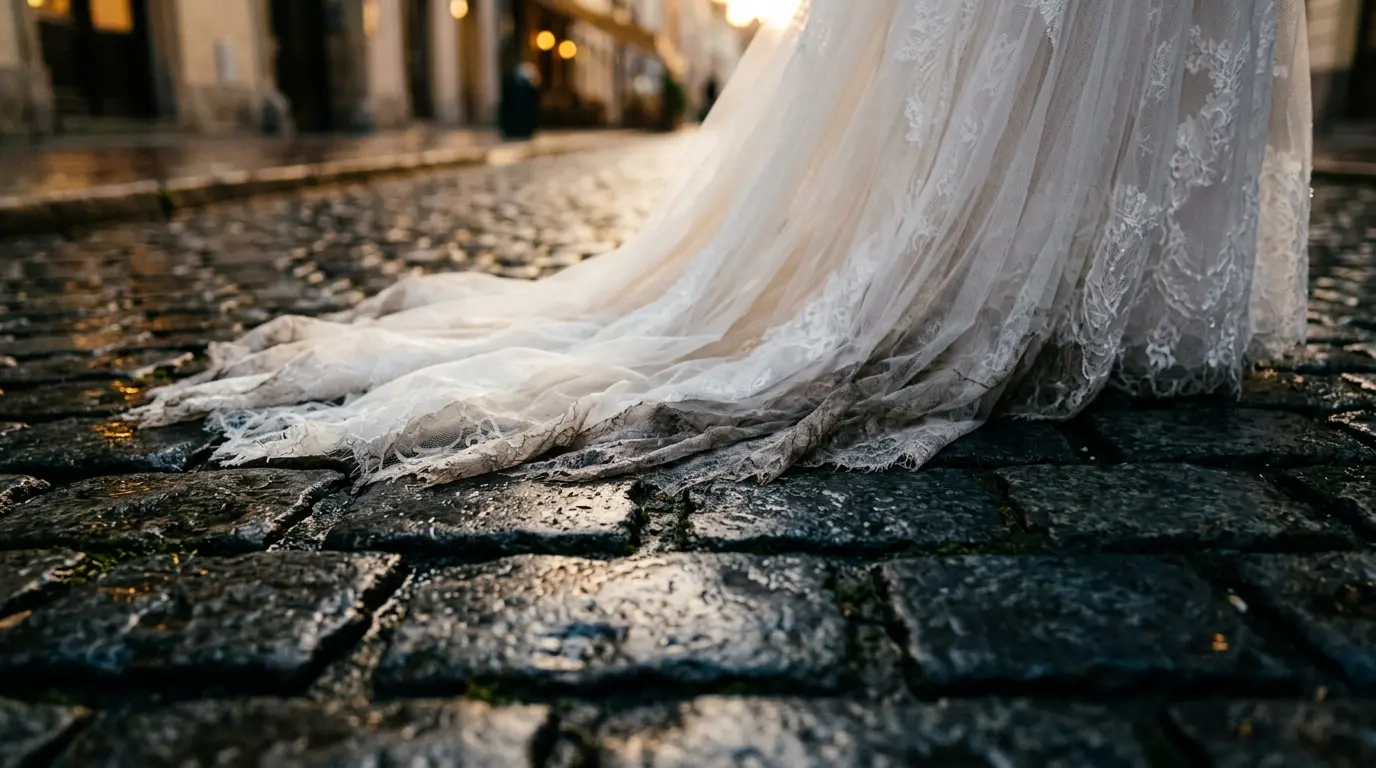
Evaluating Trash-the-Dress Photography in Brooklyn
Trash the Dress in Brooklyn draws couples who want dramatic post-wedding imagery shot against the borough’s waterfront cobblestones, industrial brick facades, and tree-lined park paths. If you found this page through a Google Maps listing or local search result, you are likely past the inspiration phase and now comparing photographers who handle the specific demands of an outdoor TTD session. The concept is straightforward — a post-wedding shoot where the gown interacts with its environment in ways that would never happen on the wedding day — but the photographer selection involves weighing location knowledge, outdoor logistics, gear readiness for wet or rough surfaces, and the ability to adapt when conditions shift mid-session.
Vera Starling operates as a wedding photographer based in Brooklyn and offers trash-the-dress photography as a specialized session type within that practice. Most TTD searches in Brooklyn return general wedding photography listings rather than dedicated TTD service pages, which makes direct comparison harder. The sections below outline the service scope, typical session workflow, and neighborhood-specific details that help narrow the field.
What a Trash-the-Dress Session Covers
- Outdoor or waterfront photography session using the wedding gown in non-traditional settings
- Location selection across Brooklyn neighborhoods, each offering different backdrops and ground surface conditions
- Pre-session planning consultation to choose locations, define the concept, and coordinate timing
- Digital image delivery after editing and post-production; deliverable counts and file formats should be confirmed during inquiry
- Sessions may involve water, sand, paint, or other elements depending on the agreed concept — the degree of “trashing” is discussed in advance
- Video coverage may be available given Vera Starling’s additional video production capability; confirm during inquiry
- Rescheduling policies for weather-related changes should be discussed at booking
How to Compare TTD Photographers in Brooklyn
Choosing a trash-the-dress photographer requires looking at a different set of factors than standard Wedding Photography selection. TTD work happens outdoors, often on wet or uneven ground, and depends on the photographer’s familiarity with specific locations and comfort managing gear in those conditions.
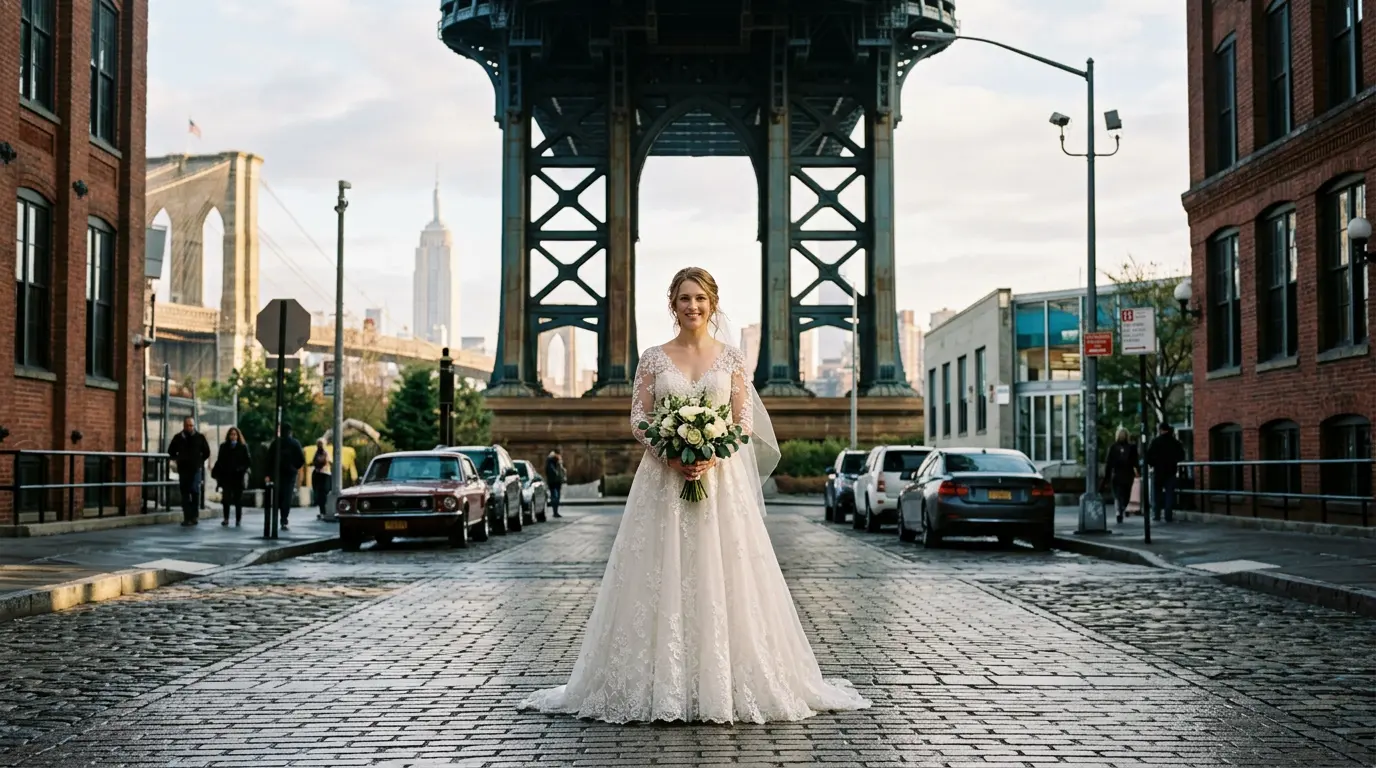
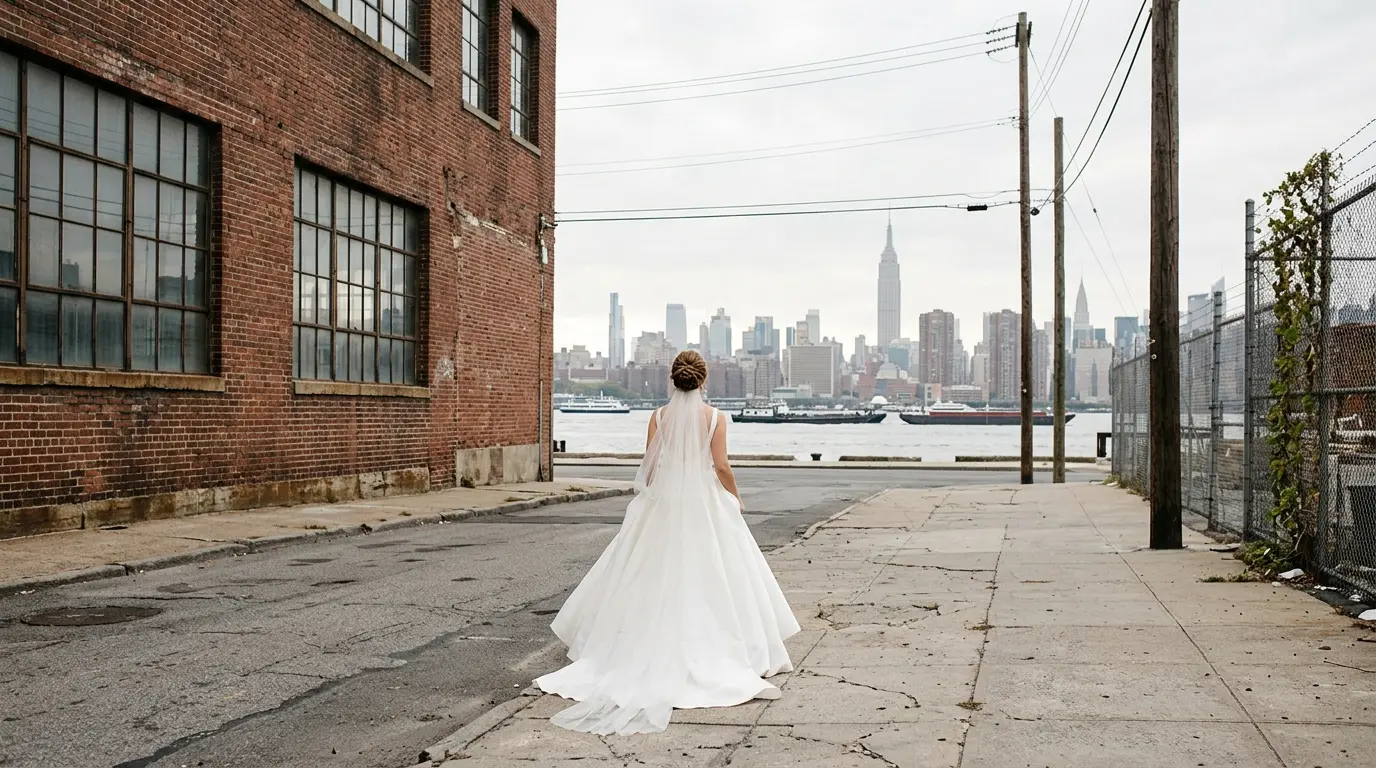
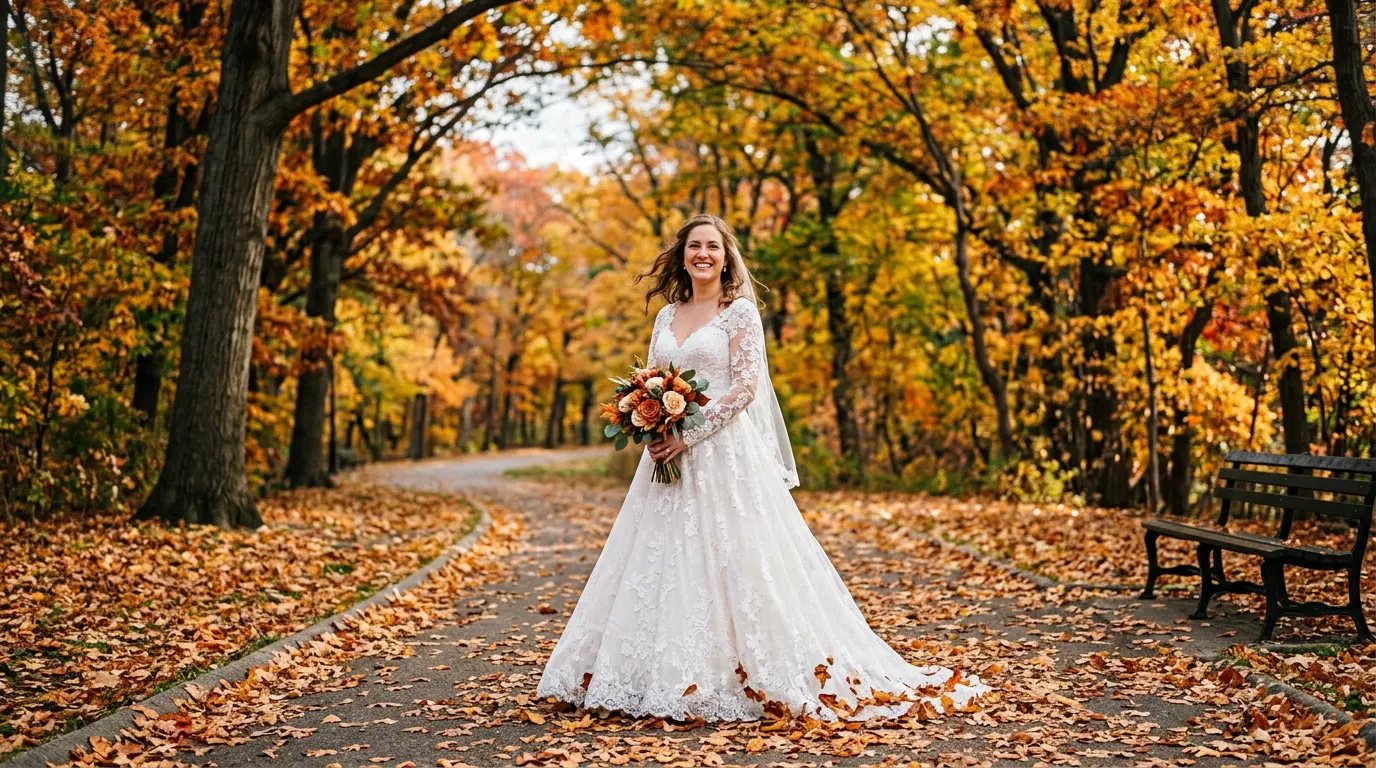
Location-specific portfolio work matters more than general wedding galleries. A photographer who has shot at the cobblestone intersection under the Manhattan Bridge in DUMBO will understand foot traffic patterns, morning light angles, and the reflective quality of wet stone. A session along the industrial waterfront streets of Greenpoint demands knowledge of which brick facades work well on camera, where to park and unload gear, and how overcast skies affect the flat light off the East River. A park session in southern Brooklyn — a leaf-covered path in autumn — requires understanding of canopy density, dappled light, and how fallen leaves interact with the gown’s fabric.
Golden hour timing shifts by season in Brooklyn. A photographer who plans TTD sessions should know the approximate sunset direction and time for each location during the month you’re booking. West-facing waterfronts catch sunset light differently than tree-canopied park paths, and scheduling at the wrong hour can flatten the entire visual result.
Fall foliage is a distinct factor for autumn shoots. Brooklyn’s parks and residential streets reach peak color at different times — generally late October — and the density of leaf coverage on a walking path varies by week. If your concept relies on autumn color, ask whether the photographer has shot at your preferred location during that specific window.
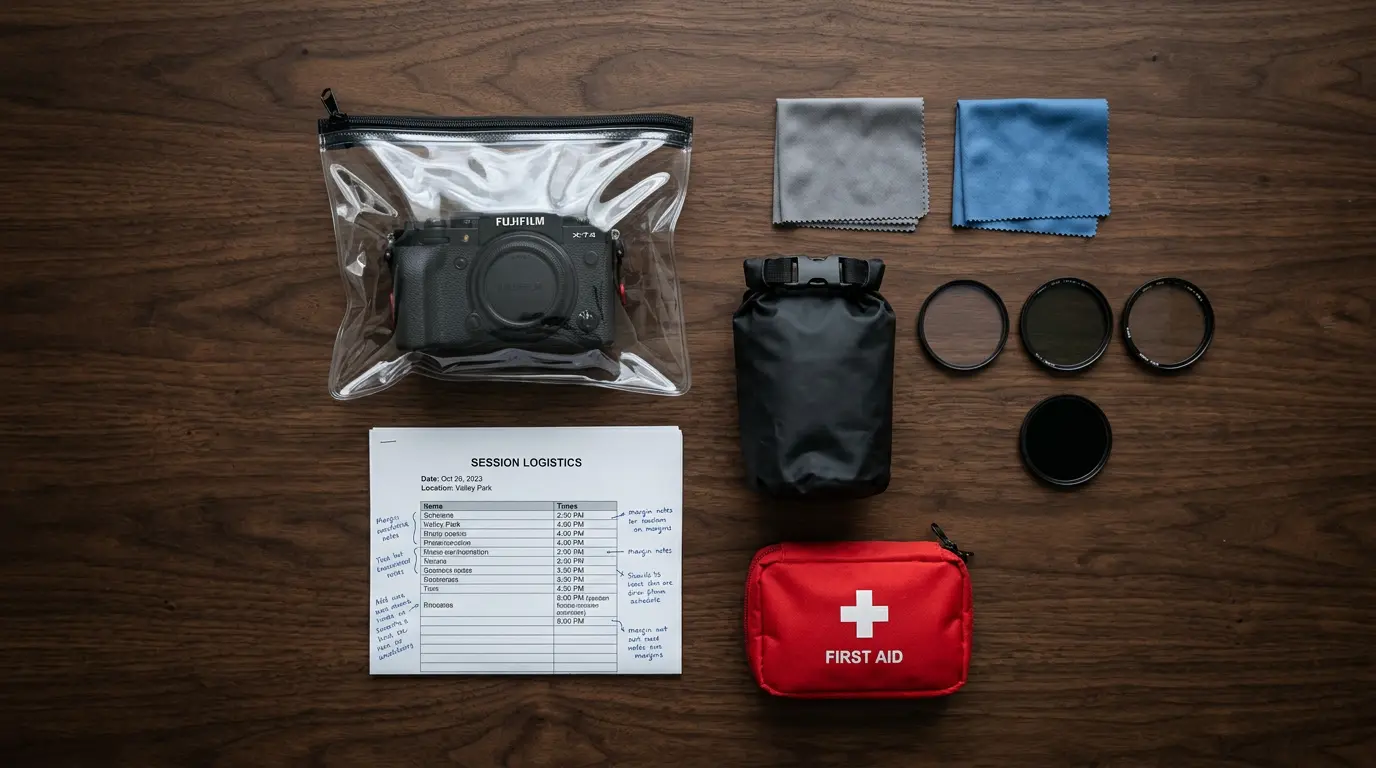
Equipment readiness for outdoor conditions is worth asking about directly. TTD sessions near water or on muddy ground put gear at real risk. Ask how the photographer protects camera bodies and lenses during wet-surface shoots, whether backup equipment travels to the location, and how gear reaches spots without vehicle access.
Style compatibility — whether the photographer works in a documentary, fine-art, or hybrid approach — shapes the final images as much as the location does. Review full session galleries rather than highlight reels for an accurate picture of range and consistency. Confirm what the session fee includes: the number of edited images, print options, turnaround timeline, and any additional costs for permits or travel.
How a Trash-the-Dress Session Typically Works
The workflow for a TTD session generally follows four stages: inquiry, planning, the shoot itself, and delivery. Specifics vary depending on the concept and location, so individual details should be confirmed with the photographer.
The process starts with an inquiry — a phone call, email, or form submission — where you describe the general concept and the photographer assesses whether the idea is feasible at available locations. This initial conversation usually covers date preferences, the level of “trashing” you want (light water contact, full immersion, paint, sand, or styled wear-and-tear), and any constraints around the gown itself.
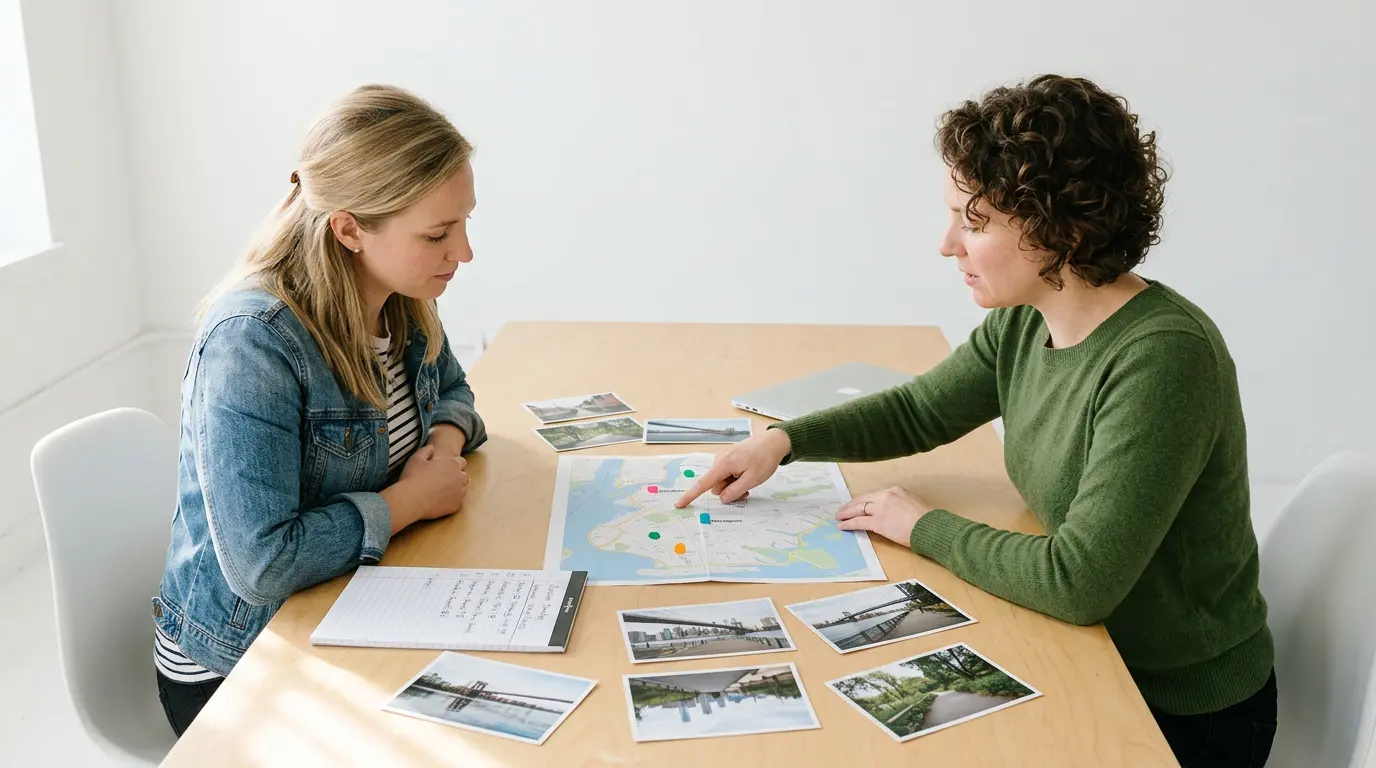
Next comes a planning consultation. For Vera Starling, this may involve an in-person or virtual meeting where Brooklyn neighborhood options are reviewed, specific streets or waterfront access points are discussed, and a session timeline is drafted. Equipment transport and setup logistics get addressed here — outdoor TTD shoots require the photographer to move gear to locations that may lack nearby parking, shelter, or level ground. How cameras, lenses, and lighting modifiers reach a waterfront spot or a park path is a practical consideration that affects session timing and duration.
On the shoot day, the photographer and subject meet at the selected location at the planned time. Golden hour sessions require precise arrival since the quality of light changes rapidly. The session may last one to three hours depending on the concept, the number of locations, and whether outfit changes or staged “trashing” sequences are involved. Weather contingency plans — rain delays, wind adjustments, or rescheduling — should have been agreed upon beforehand.
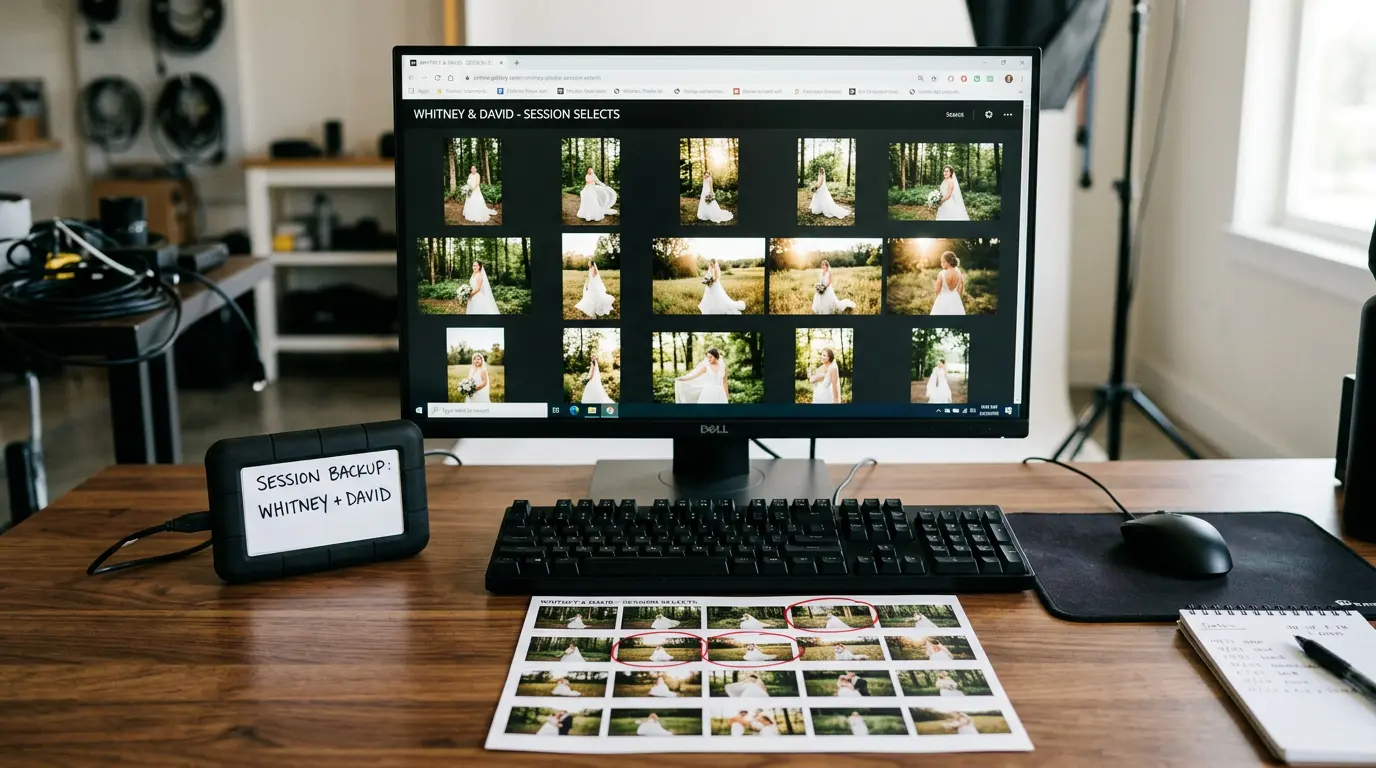
After the session, images go through selection and editing. Turnaround time, the number of final edited images, and the delivery format (online gallery, physical hard drive, or both) should be confirmed at booking. Retouching scope — whether it covers basic color correction or extends to detailed compositing — varies by photographer and package.
Reducing Booking Risk for a TTD Session
Business Details You Can Verify Now
Vera Starling operates from 2483 E 22nd St in the Sheepshead Bay section of Brooklyn. The business phone number is +1917-386-8509 and the website is video-nyc.com. The Google Business Profile lists the primary category as Wedding photographer, with additional categories including Commercial photographer, Photographer, Photography service, and Video production service. You can view the listing directly on Google Maps to check current reviews, posted photos, and business hours. The physical address and phone number on this page match the Google Business Profile listing exactly.
What to Ask or Confirm Before Committing
Before booking a TTD session, request full galleries from past shoots — not just selected highlights. Full galleries reveal consistency across different locations and lighting conditions. Ask specifically about sessions shot in the type of environment you’re considering, whether that’s a cobblestone street, waterfront walkway, or leaf-covered park path.
Confirm contract terms: cancellation and rescheduling policies, deposit structure, and what happens if weather forces a postponement. For outdoor sessions that depend on specific conditions — golden hour light, dry cobblestones, peak autumn foliage — scheduling flexibility matters more than with indoor shoots. Ask about deliverables in concrete terms: the number of edited images, resolution of digital files, whether prints are included or priced separately, and expected turnaround time from session date to gallery delivery. If your concept involves water or elements that could damage equipment, ask how gear protection is handled on location.
Where We’re Located and Where We Shoot in Brooklyn
Vera Starling’s studio is at 2483 E 22nd St in Sheepshead Bay, Brooklyn. The Sheepshead Bay station on the B and Q subway lines is the nearest transit stop, and street parking is generally available in the area for clients arriving by car.
DUMBO is the most frequently requested TTD location in our coverage area. The cobblestone intersection at Washington Street under the Manhattan Bridge provides one of Brooklyn’s most recognized backdrops, and the East River waterfront along Brooklyn Bridge Park offers water-access options for sessions that involve wet-surface contact. Sunrise sessions work well here to avoid heavy foot traffic and catch low-angle morning light.
The Sheepshead Bay studio serves as a convenient hub for pre-session consultations and gear coordination before heading to any shooting neighborhood. Clients traveling from other parts of Brooklyn — Williamsburg, Park Slope, Bay Ridge — can reach us by subway or car without difficulty.
The Greenpoint waterfront and its surrounding industrial streets offer a raw, textured backdrop that contrasts with DUMBO’s landmark architecture. Brick warehouse facades, metal-framed windows, and concrete sidewalks give TTD images a grittier, more urban character. Transmitter Park provides open-sky waterfront access with sunset-facing orientation, and McCarren Park’s mature tree canopy produces strong fall foliage color during late October.
Southern Brooklyn provides a quieter alternative for couples who want less-photographed settings. Bensonhurst Park’s walking paths are especially strong for autumn TTD sessions — mature trees along the paths produce dense seasonal color, and accumulated leaf cover on the ground creates natural gown-to-surface interaction. The neighborhood’s proximity to Bath Beach also opens coastal options for sand or shoreline elements without leaving southern Brooklyn.
Reviewing Visual Evidence from Brooklyn TTD Sessions
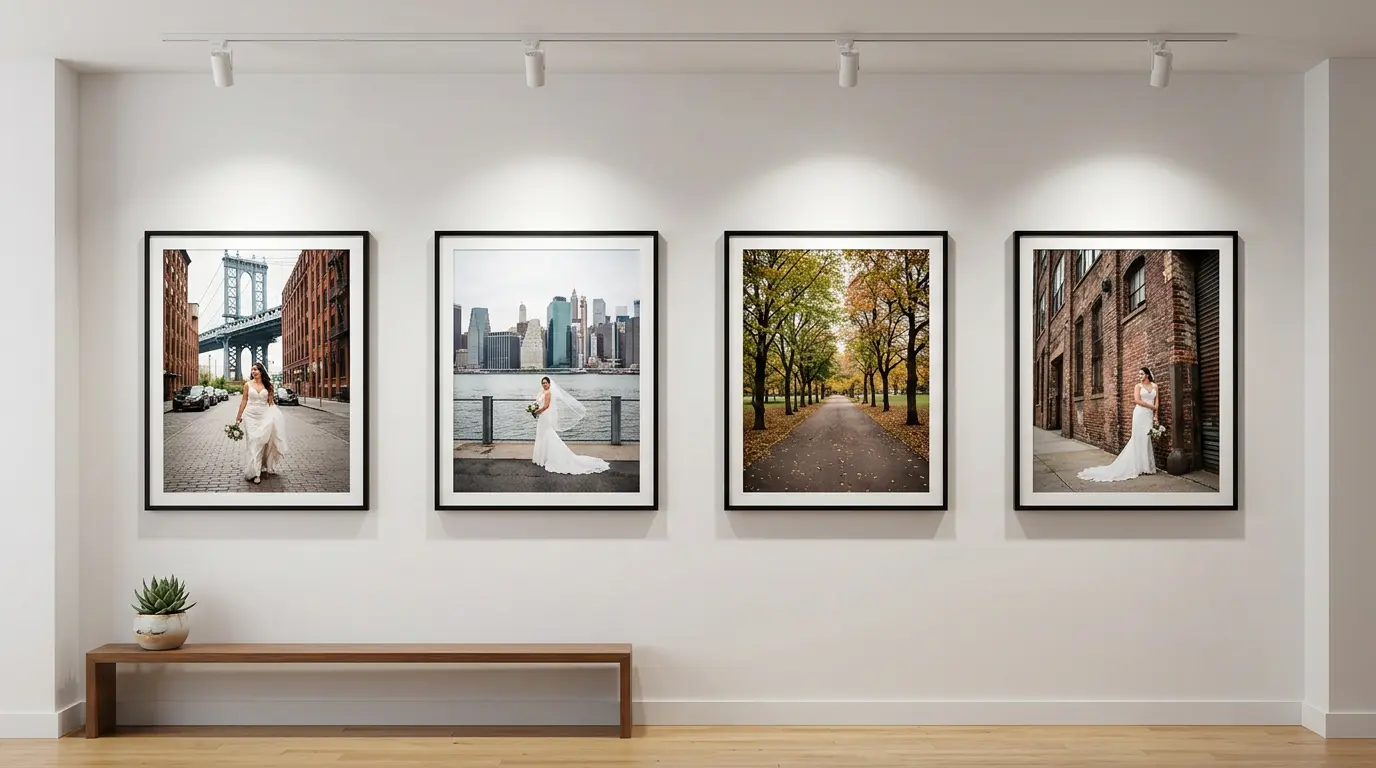
The images on this page show actual session locations and preparation materials from Vera Starling’s trash-the-dress work across Brooklyn. Each photo references a specific neighborhood and setting type — cobblestone street, industrial waterfront, autumn park path — so you can compare environments against your own concept. Portfolio prints displayed together on a studio wall allow side-by-side evaluation of how different Brooklyn locations translate into finished output, and the framing format offers a reference point for how final images can be presented.
Delivery after a completed session typically involves both a digital gallery and a physical format. The workspace arrangement shown below represents the tools and platforms used during image selection and delivery — an online gallery grid alongside a portable hard drive and printed contact sheet with selects marked.
Frequently Asked Questions About Trash-the-Dress Sessions
The questions below address what couples commonly ask when evaluating trash-the-dress photography in Brooklyn. Where specifics depend on current offerings, the answer notes what to confirm during inquiry.
1) Where in Brooklyn are TTD sessions typically held?
Sessions are most commonly shot in DUMBO, Greenpoint, and Bensonhurst, each offering different visual environments. DUMBO provides cobblestone streets and bridge architecture. Greenpoint has industrial waterfront backdrops and park space. Bensonhurst offers tree-lined park paths and proximity to the shoreline. Other Brooklyn neighborhoods can be discussed during planning based on your concept.
2) Will my dress actually be destroyed?
The level of “trashing” is fully customizable. Some couples want only light contact with water or natural surfaces, while others prefer full immersion, paint, or deliberate tearing. You and the photographer agree on the scope before the session day. No element is introduced without your approval.
3) What is the best time of day for a TTD session?
Golden hour — the period shortly after sunrise or before sunset — produces the warmest, most directional light for outdoor portraits. The exact window shifts by season and location. West-facing waterfronts in DUMBO and Greenpoint catch sunset light well, while tree-canopied park paths filter afternoon light differently. Your photographer should recommend a specific arrival time based on your date and chosen location.
4) When is the best season for a TTD shoot?
TTD sessions work year-round, but each season offers different advantages. Fall brings foliage color and leaf-covered paths, particularly in Bensonhurst Park (peak color typically arrives in late October). Summer provides long golden hour windows and warm water temperatures for waterfront sessions. Spring and winter each carry their own atmosphere, though weather unpredictability increases during those months.
5) How many edited images will I receive?
Deliverable counts vary by package. Ask for a specific number range during your initial inquiry. Also confirm whether files are delivered at full resolution, whether a print option is included, and what level of retouching is applied to the final set.
6) How are finished images delivered?
Delivery may include an online gallery, a physical hard drive, or both. The timeline from session to delivery should be confirmed at booking. Ask whether a contact sheet or image selection round is part of the process before final editing begins.
7) What happens if the weather is bad on the session date?
Outdoor TTD sessions depend on weather conditions. Discuss rescheduling terms before you sign a contract — specifically how far in advance a postponement must be decided, whether alternate dates carry additional fees, and whether a backup plan for covered locations exists as a fallback.
8) Does the photographer bring backup equipment for outdoor sessions?
Sessions involving water, mud, or sand put camera gear at risk. Ask whether the photographer carries backup camera bodies and lenses, uses protective pouches or waterproof bags, and has a response plan for equipment failure during the shoot. The gear preparation approach reflects how experienced a photographer is with outdoor TTD conditions.
9) Do I need a permit for a Brooklyn TTD session?
Public streets in Brooklyn generally do not require permits for small commercial photography crews (one photographer plus subject). NYC parks, including Brooklyn Bridge Park, may require a Parks Department permit for commercial use. Your photographer should know which locations require permits and handle the application, but confirm this at booking.
10) Can video be added to a TTD session?
Vera Starling’s business is listed under both photography and video production service categories. Whether video coverage is available for a TTD session — and what that adds to the scope and cost — should be confirmed during inquiry.
How to Schedule a Consultation
TTD sessions with Vera Starling are scheduled by appointment from the Sheepshead Bay studio. To start the process, call +1917-386-8509 or reach out through the website at video-nyc.com. An initial conversation covers your concept, preferred Brooklyn locations, available dates, and session logistics.
Vera Starling’s primary practice is as a Wedding photographer in Brooklyn, and trash-the-dress sessions are offered as a specialized extension of that work. If you are also considering coverage for the wedding day itself, both can be discussed in the same consultation.