The Collaborative Advantage: Choosing a Commercial Video Partner, Not Just a Producer
You’ve seen the dazzling portfolios and the impressive client lists. Every video production company promises stunning visuals and compelling stories. But as you compare your options, a critical question emerges: Who will truly understand your vision and work with you to bring it to life?
Choosing a video production partner isn’t like buying a product off the shelf. It’s about entering a creative partnership. The difference between a good video and a great one often comes down to the quality of that collaboration. A transactional vendor simply executes a task; a true partner invests in your success, shares your vision, and guides you through a process that feels clear, creative, and controlled.
This guide will help you look beyond the portfolio to evaluate what really matters: the collaborative process. We’ll explore what defines a successful client-producer relationship so you can confidently choose a partner who will turn your investment into a powerful asset for your business.
Foundation: Beyond the Brief: Building a Shared Vision from Day One
Many production processes start with a creative brief. A true partnership starts with a conversation. Why? Because as research confirms, much of the essential knowledge about your product, service, and audience lies with you, the client. A partner’s first job isn’t to pitch ideas, but to listen and learn.
We believe that great work happens when everyone involved is invested in the outcome. That investment begins when a production partner takes the time to get to know your business from the inside out. This isn’t just about a one-hour discovery call; it’s a foundational phase dedicated to mutual understanding.
This deep discovery process should involve:
- Goal Alignment: Moving beyond “we need a video” to “we need to increase demo requests by 15%.” A collaborative partner helps you define what success looks like in concrete business terms.
- Audience Empathy: Co-creating a detailed picture of who you’re trying to reach, what they care about, and what action you want them to take.
- Brand Immersion: Understanding your company’s voice, values, and market position to ensure the final product feels authentic to your brand.
This initial investment in understanding isn’t just a nice-to-have; it’s a strategic necessity that prevents misunderstandings and costly revisions down the line. It transforms the project from a simple brief into a shared vision.

Building: Navigating the Production Journey Together: Transparency, Communication, and Trust
Once a shared vision is established, the journey from concept to final cut should be a transparent, iterative process. The feeling of being overwhelmed that many clients experience often stems from a lack of clarity about what’s happening, when it’s happening, and what their role is.
A great partner demystifies the process, turning complexity into a clear, manageable roadmap. They understand that their role goes beyond the technical aspects of the camera; it’s about being an expert guide. Understanding what is a videographer in this context means seeing them as a strategic storyteller and project manager, not just an operator.
Here’s what that collaborative journey looks like at each stage:
Pre-Production: The Collaborative Blueprint
This is where the magic really happens. A strong partnership here ensures a smooth production day and a predictable post-production process. Expect your partner to actively involve you in:
- Scripting & Storyboarding: This shouldn’t be a “take it or leave it” deliverable. It should be an iterative dialogue where your feedback is actively sought to refine the narrative and visuals.
- Location & Talent: Your partner should present options that align with the budget and creative vision, explaining the pros and cons of each so you can make an informed decision together.
- Logistics: You should receive clear schedules and communication plans, so you always know what to expect and what’s needed from your team.
Production: Focused Execution on a Shared Plan
If pre-production was truly collaborative, the filming day should feel like the natural execution of a plan you helped create. Your role here can vary, but a good partner ensures you feel comfortable and informed. They create an environment where your team members feel at ease on camera, capturing authentic moments that resonate with your audience.
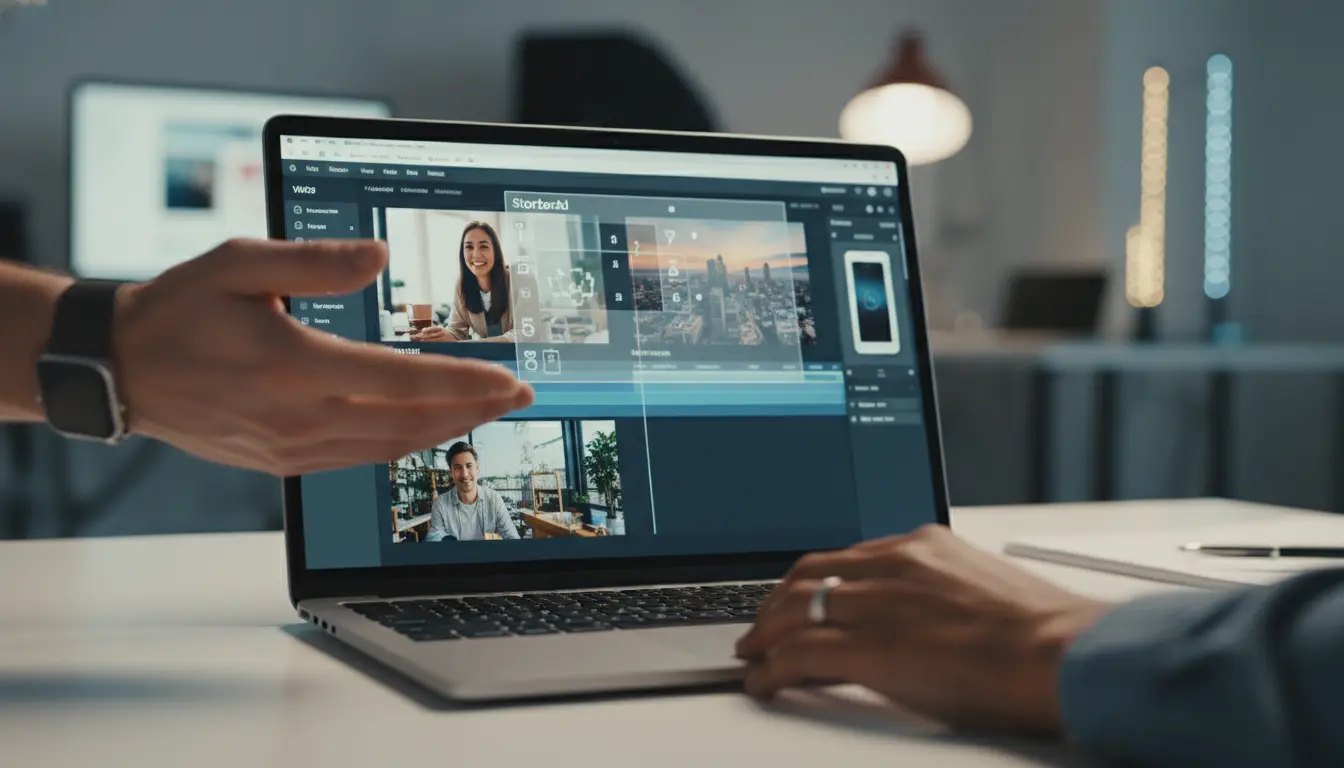
Post-Production: Refining the Vision Together
The first cut is rarely the final cut. The feedback and revision process is where a partnership truly shines or falters. A collaborative partner:
- Welcomes Constructive Feedback: They create a clear, simple process for you to provide input.
- Guides Your Feedback: Instead of just asking “what do you think?”, they guide you with specific questions to get actionable feedback. For example, “Does this pacing feel right for our target audience?” is more helpful than “Is it too slow?”
- Explains the ‘Why’: If they disagree with a suggestion, they’ll explain their reasoning from a professional standpoint, always tying it back to the project’s original goals. This ensures creative discussions are productive, not adversarial.

Mastery: Measuring Success and Sustaining the Partnership
The project isn’t over when the final video is delivered. A true partner is invested in your success and wants to know if the video achieved its goals. The collaborative process should extend to defining and measuring the video’s impact.
This is where the upfront investment in goal alignment pays off. By establishing clear metrics from the start—whether it’s lead generation, brand awareness, or audience engagement—you can accurately assess the project’s return on investment.
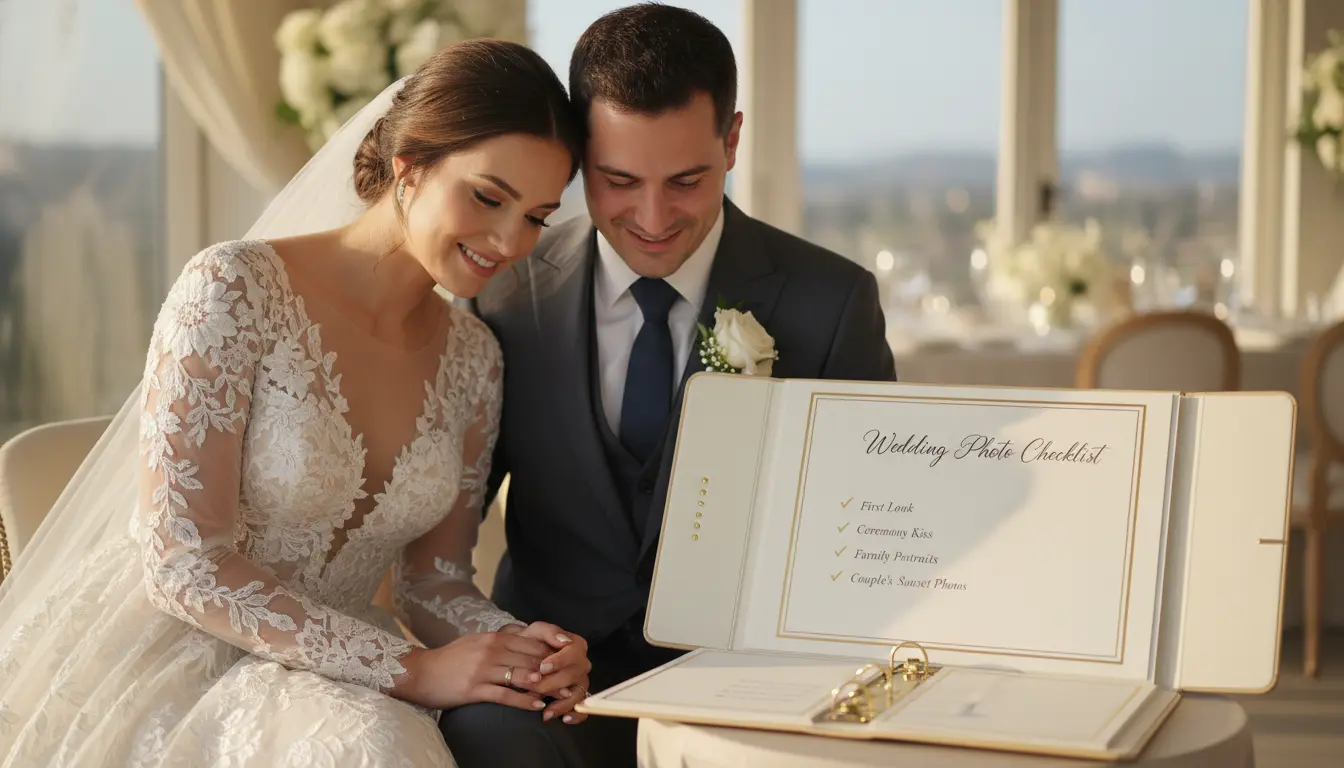
A strong collaborative experience often leads to a long-term relationship. When a production partner already understands your brand, audience, and goals, future projects become more efficient and effective. The same principles that make a single project successful are crucial whether you’re creating a commercial series or seeking a wedding videographer in NYC—deep understanding and shared vision are universal keys to success.

Your Next Steps: How to Vet a Truly Collaborative Partner
As you evaluate potential video production companies, use these questions to look past the portfolio and understand their collaborative philosophy:
-
“Can you walk me through your process for getting to know a new client’s business and goals?”
- Listen for: A detailed discovery process that goes beyond a single brief. Do they talk about immersing themselves in your brand and audience?
-
“How do you involve clients in the creative development and storyboarding process?”
- Listen for: Words like “iterative,” “workshop,” and “co-creation.” Avoid partners who treat creative as a one-way presentation.
-
“What does your feedback and revision process look like in post-production?”
- Listen for: A structured, clear system that makes it easy to give feedback. Do they talk about guiding clients to provide constructive notes?
-
“How do you handle creative disagreements or unexpected challenges during a project?”
- Listen for: A focus on open communication and returning to the project’s core goals. A great partner sees challenges as problems to be solved together.
Frequently Asked Questions
What if our team has a strong creative vision already?
That’s fantastic! A collaborative partner won’t try to overwrite your vision but will work to enhance and execute it. They’ll use their technical and storytelling expertise to identify potential challenges, suggest improvements, and ensure your vision translates effectively to the screen while achieving your business goals.
How much of my team’s time will a collaborative process require?
While collaboration requires more involvement upfront, it ultimately saves time. A thorough discovery and pre-production phase drastically reduces the need for time-consuming revisions and reshoots later. A good partner respects your time by running efficient meetings, providing clear agendas, and managing the project so your input is requested at the most impactful moments.
How do you ensure the final video aligns with our brand’s specific tone?
This is a direct result of the initial deep-dive and brand immersion phase. By investing time to understand your company’s values, voice, and existing marketing materials, a collaborative partner internalizes your brand’s essence. This understanding informs every decision, from scripting and music selection to casting and editing style, ensuring the final product feels like a natural extension of your brand.
Start Your Project with a Partner, Not a Vendor
Choosing a commercial video producer is a significant decision. By prioritizing a partner who values collaboration, transparency, and a shared vision, you’re not just buying a video; you’re investing in a process that respects your expertise, mitigates risk, and is fundamentally designed to achieve your strategic goals.
If you’re ready to see how a truly collaborative process can make a difference for your next project, let’s start a conversation. We always begin by getting to know you.